Blog

  • The Influence of Environment on Style

    The Influence of Environment on Style

    Style doesn’t develop in isolation. It’s shaped by surroundings—by the places we go, the people we see, and the culture we’re part of. Whether we realize it or not, our environment plays a major role in how we dress.

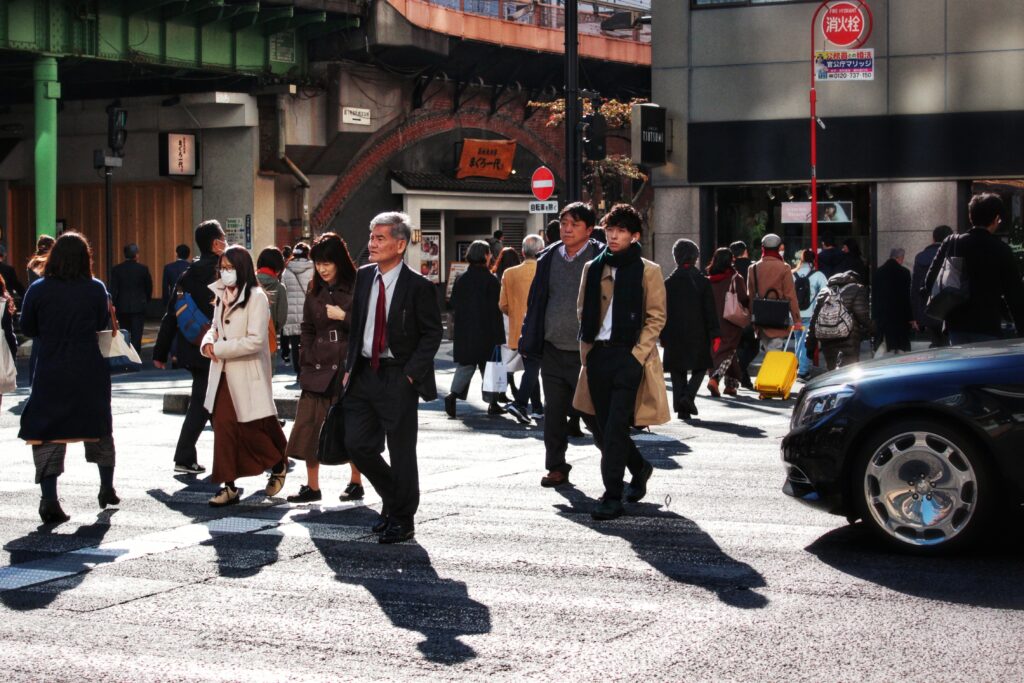
    Urban settings often encourage boldness. Fast-paced environments, diverse influences, and constant movement create space for experimentation. Streetwear, layered outfits, and statement pieces thrive in these settings because they match the energy of the surroundings.

    In quieter environments, style may lean toward simplicity and comfort. There’s less pressure to stand out, and more emphasis on practicality. But this doesn’t mean a lack of style—it simply takes a different form, often focusing on subtle details and personal expression.

    Climate is another powerful factor. The weather dictates not only what we wear, but how we layer, accessorize, and choose fabrics. In warmer climates, breathable materials and lighter colors dominate. In cooler settings, layering becomes both a necessity and a creative opportunity.

    Social circles also influence style. The people around you—friends, coworkers, even strangers—can shape your perception of what feels appropriate or appealing. Over time, you may adopt certain elements without even noticing.

    But while environment influences style, it doesn’t have to define it completely. There’s always room for individuality. You can take inspiration from your surroundings while still maintaining a sense of personal identity.

    In the end, style is a balance between influence and choice. It reflects where you are, but also who you are within that space.

  • Building a Wardrobe That Works for You

    A wardrobe isn’t just a collection of clothes—it’s a system. And like any system, it works best when it’s built with intention.
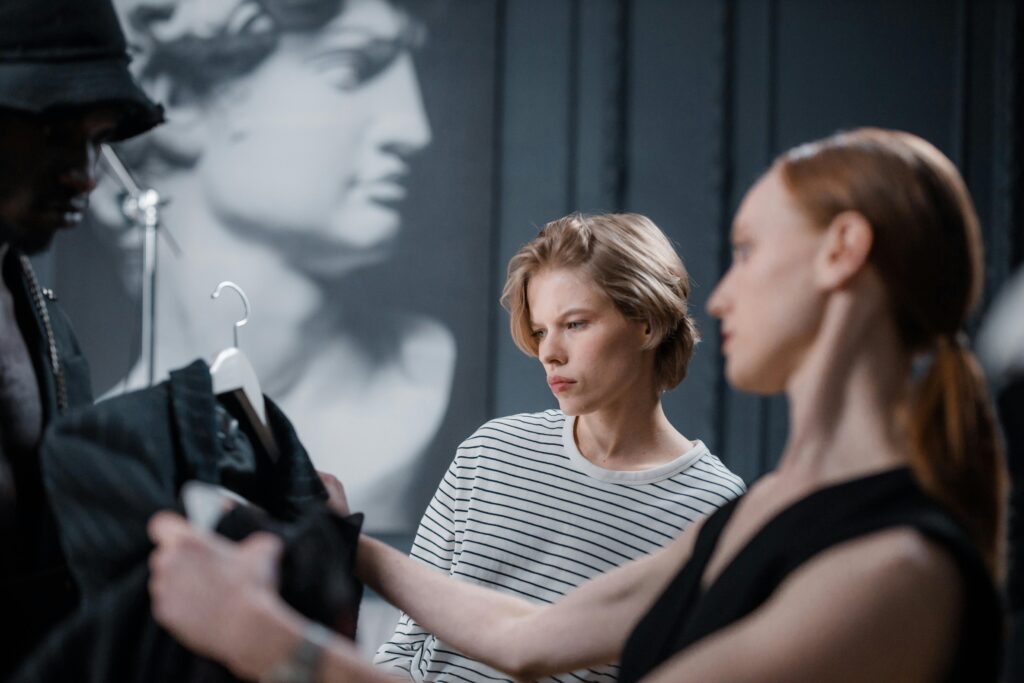
    Many people fall into the cycle of buying pieces they rarely wear. It’s easy to be drawn to something trendy or visually appealing, only to realize later that it doesn’t quite fit your lifestyle. Over time, this creates a closet full of options but nothing that truly feels right.

    Building a functional wardrobe starts with understanding your daily life. What do you actually do most of the time? Are you constantly on the move, working in a structured environment, or spending time in casual settings? Your clothing should reflect these realities.

    From there, it’s about creating a foundation. These are the pieces you can rely on—items that pair easily with others and work across different situations. Neutral tones, versatile fits, and comfortable fabrics often form the base of a strong wardrobe.

    Once the foundation is in place, you can add variety. This is where personal style comes in. Statement pieces, unique textures, or bold colors can bring character to your outfits without overwhelming them.

    Another important aspect is quality. Investing in well-made pieces doesn’t necessarily mean spending more—it means choosing items that last. Durable fabrics, good stitching, and timeless designs ensure that your wardrobe remains functional over time.

    Ultimately, a wardrobe that works for you should simplify your life, not complicate it. Getting dressed should feel natural, not stressful. When your clothes align with your needs and preferences, style becomes effortless—not because it requires no effort, but because the effort has already been made.

  • The Confidence Behind What You Wear

    The Confidence Behind What You Wear

    Confidence doesn’t always come naturally. Some days, it has to be built—quietly, intentionally, and sometimes from the outside in. Fashion plays a subtle yet powerful role in that process.

    What you wear can influence how you carry yourself. It changes posture, affects movement, and even shapes how you interact with others. A well-fitted outfit can make you stand a little taller, speak a little clearer, and feel a little more certain of yourself.

    But confidence in fashion isn’t about wearing the most expensive or eye-catching pieces. It’s about alignment—choosing clothes that feel right for you. When something fits well, suits your personality, and reflects your mood, it creates a sense of ease. And from that ease, confidence naturally follows.

    There’s also something to be said about familiarity. When you find outfits that consistently make you feel good, they become part of your personal armor. On uncertain days, these pieces offer a sense of stability. They don’t just make you look put together—they help you feel it too.

    At the same time, fashion can push you beyond your comfort zone. Trying something new—a different color, a bold silhouette, or an unfamiliar style—can feel intimidating at first. But stepping into that discomfort often leads to growth. Over time, what once felt unfamiliar becomes part of your identity.

    True confidence in style isn’t about perfection. It’s about comfort in your own choices. It’s about wearing something and not constantly questioning it. When you reach that point, your outfit stops being the focus—and you become the focus instead.